
Pregnancy and hemoglobin

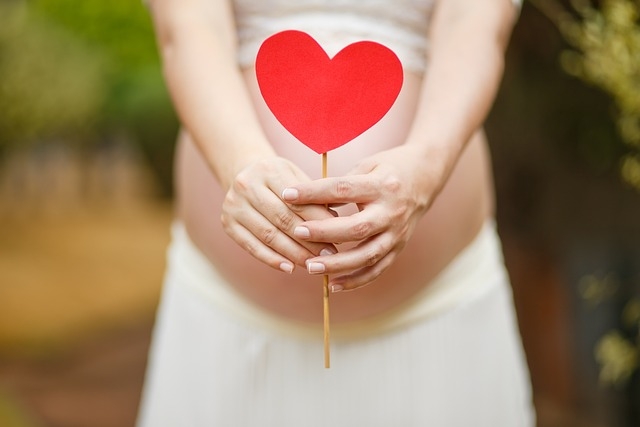
Pregnancy and Hemoglobin
Hemoglobin is a protein found in our red blood cells whose main function is to transport oxygen to different parts of the body. Iron plays a key role in hemoglobin’s ability to carry oxygen. During pregnancy, your hemoglobin level is especially important, as your growing baby also needs oxygen and nutrients.
At maternity clinics, hemoglobin levels are measured regularly during pregnancy. Low hemoglobin can be a sign of the body’s increased need for iron. During pregnancy, the mother’s blood volume increases by about 50% compared to normal. Especially during the last trimester of pregnancy, it is important to get enough iron, as the growing baby begins to store iron from the mother for its own reserves. Some blood is lost during childbirth, and adequate iron levels in the body may help prevent anemia after delivery.
Hemoglobin alone does not always reflect the body’s iron stores. If you suspect iron deficiency even though your hemoglobin level is normal, it may be worth considering a ferritin test. Ferritin is a protein that stores iron in the body and releases it when needed.
Iron can be obtained from many foods, but during pregnancy the need for iron increases, and the use of iron supplements is often recommended. Pregnancy is a wonderful time, but also a time when your body’s needs change. By taking care of yourself, you are also taking care of your baby.