
Iron and Vitamin D

What does iron do in the body?
Iron is an essential trace element that helps form hemoglobin in red blood cells. Hemoglobin carries oxygen from the lungs throughout the body. If the body does not get enough iron, it can lead to fatigue, weakness, and difficulty concentrating.
Iron is especially found in the following foods:
-
red meat
-
liver
-
whole grains
-
beans and lentils
-
spinach and other green vegetables
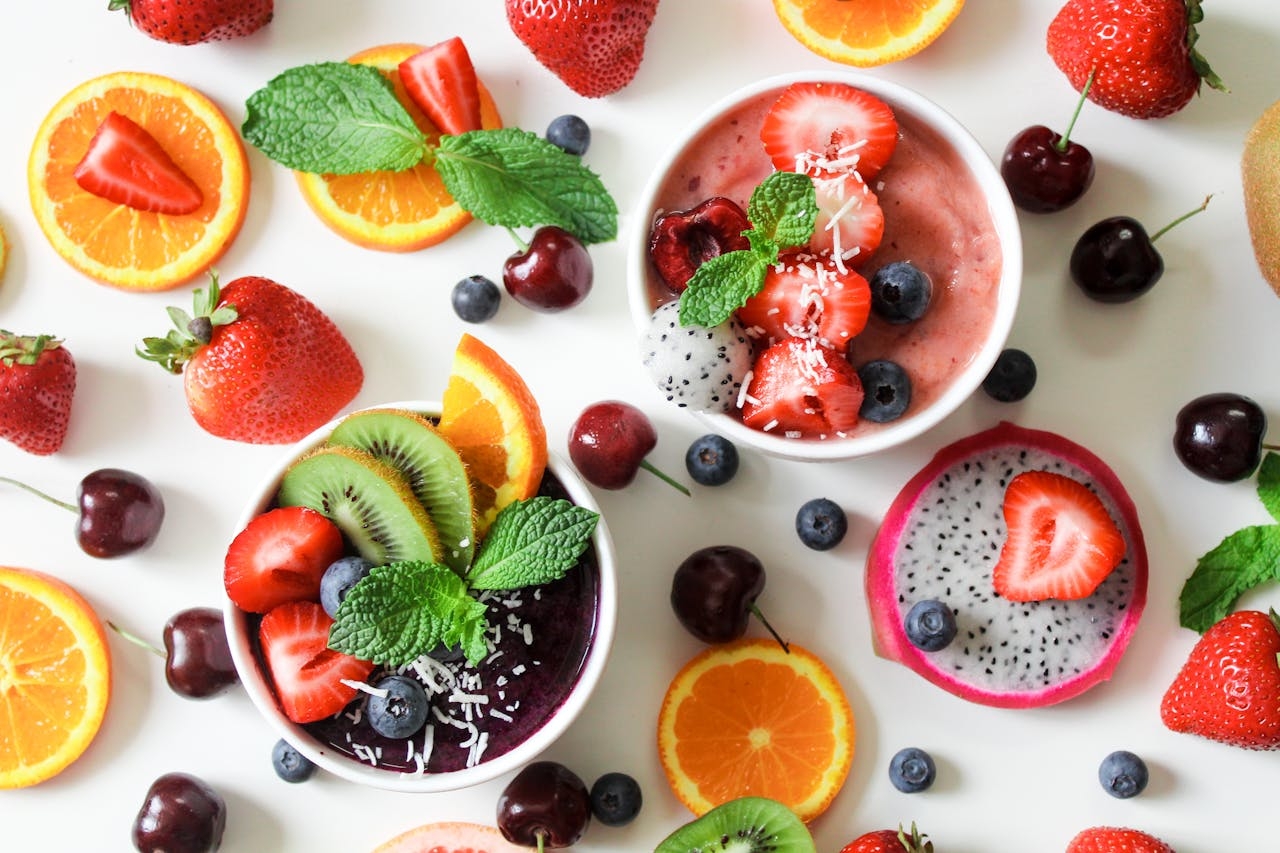
Iron from plant-based foods is absorbed better when eaten together with foods that contain vitamin C, such as fruits or berries.
Why is vitamin D important?
Vitamin D helps the body absorb calcium, which is important for healthy bones and teeth. It also supports muscle function and strengthens the immune system.
Vitamin D can be obtained from:
-
sunlight
-
fatty fish (such as salmon and Baltic herring)
-
dairy products fortified with vitamin D
-
dietary supplements when necessary
In Finland, especially during winter, vitamin D supplements are recommended for many people because there is little sunlight.
Iron and vitamin D in health – why are both important?
Both iron and vitamin D have a significant impact on human well-being and energy levels. Iron helps maintain normal hemoglobin levels in the blood and prevents iron deficiency and anemia. This is particularly important for growing adolescents, athletes, and people with an increased need for iron.
Vitamin D, on the other hand, supports bone development and maintains muscle function. It also helps the immune system fight infections. Adequate vitamin D intake is especially important in Finland because in winter the sun’s UV radiation is not strong enough for the skin to produce vitamin D.
When the diet is varied and includes both iron and vitamin D, the body can function efficiently. If necessary, supplements can help complement intake, but their use should be discussed with a healthcare professional.