
From which foods do we get iron?

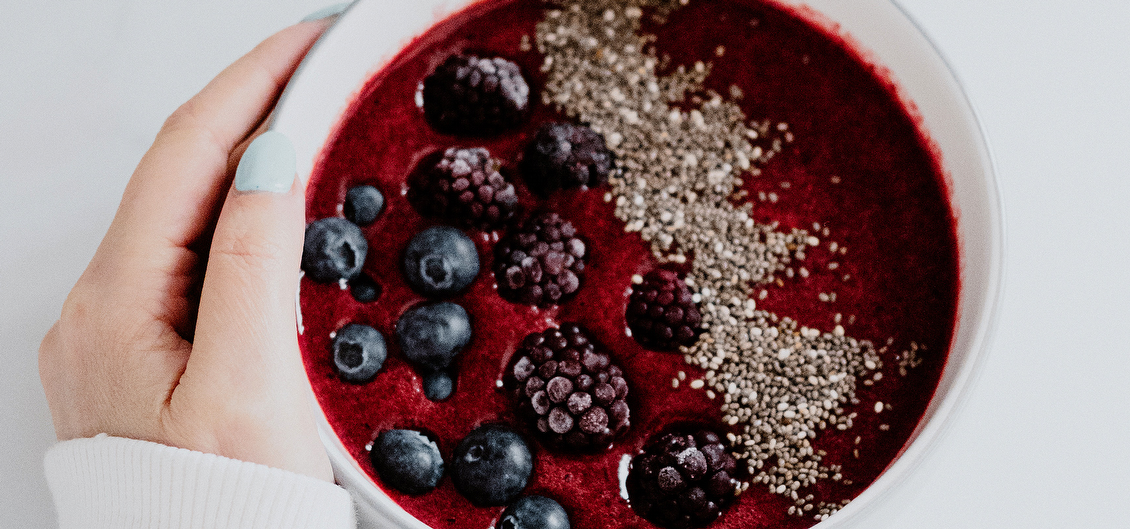
Which foods provide iron?
It is important to ensure adequate iron intake, as deficiency can lead to iron deficiency and unpleasant symptoms such as fatigue or shortness of breath. Diet is often the best way to prevent iron deficiency and maintain healthy iron levels. If the body’s iron stores are already depleted, iron supplements are often a more effective way to increase levels. Consult your doctor before starting iron supplementation.
Good dietary sources of iron
Plant-based foods provide non-heme iron, while animal-based foods provide heme iron. Heme iron is absorbed more efficiently than non-heme iron. Even with a nutritious diet, it is possible to get too little iron or for absorption to be insufficient.
Non-heme iron is found in plant-based foods such as soy, lentils, whole grains, and beans. Good animal-based sources of iron include meat, fish, and organ and blood-based foods.
Good plant-based foods (iron content mg/100 g):
- whole grain products (e.g., whole grain bread and pasta)
- bran and flakes (e.g., wheat bran 20 mg, rye bran 9.5 mg, oat bran 8 mg, oatmeal 4.7 mg)
- breakfast cereals approx. 12–20 mg (depending on product)
- oat flour 5.5 mg
- pasta, spaghetti, macaroni 4.4 mg
- porcini mushroom 10 mg
- lentils 7.6–11.1 mg (depending on type)
Animal-based foods (iron content mg/100 g):
- blood pancakes 21.6 mg
- liver (average) 14.7 mg
- blood sausage 7.5 mg
- beef liver 7.2 mg
- liver sausage 5.5 mg
- game meat (average) 5.4 mg
- fried moose meat 4.8 mg
- roast beef 4.4 mg
- liver casserole 3.1–4.1 mg
- ground meat 3.1 mg
Source: Puhti