
The need or iron during pregnancy

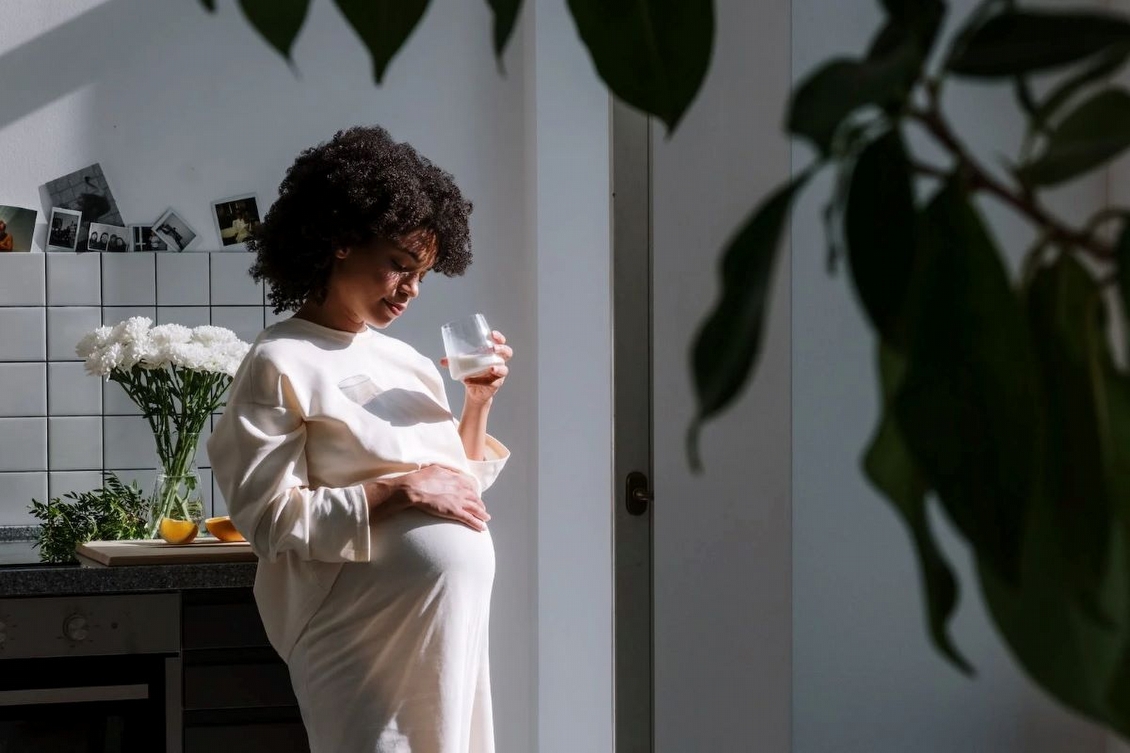
Iron requirements during pregnancy
Pregnancy is a significant journey involving numerous physical and emotional changes. For expectant mothers, maintaining good health and ensuring optimal nutrition becomes a priority. Iron is a key nutrient that plays an important role in supporting both maternal and fetal well-being. In this article, we explore the importance of iron during pregnancy, including its key functions, sources, and recommended intake.
The importance of iron
Iron is an essential mineral with a crucial role in overall bodily function. During pregnancy, its importance increases even further. Iron is primarily responsible for the production of hemoglobin, a protein found in red blood cells that carries oxygen from the lungs to the rest of the body. It supports the formation of new blood cells to meet the growing needs of the developing fetus and helps prevent iron deficiency anemia, which can negatively affect both mother and baby.
Effects of iron deficiency
Iron deficiency during pregnancy can lead to several complications. A lack of iron impairs the production of healthy red blood cells, resulting in anemia. Anemia can cause fatigue, weakness, dizziness, and difficulty concentrating, affecting the mother’s overall well-being and quality of life. Additionally, iron deficiency may increase the risk of preterm birth, low birth weight, and developmental issues in the baby. Therefore, maintaining optimal iron levels is essential for a healthy pregnancy and proper fetal development.
Recommended iron intake
The recommended daily intake of iron during pregnancy is higher than for non-pregnant individuals. However, iron needs can vary depending on individual factors such as existing iron stores and underlying health conditions. Therefore, it is important to consult a healthcare professional to determine the appropriate supplementation or dietary adjustments.
Sources of iron
Obtaining sufficient iron from various sources is important for maintaining optimal levels during pregnancy. There are two types of dietary iron: heme and non-heme iron. Heme iron from animal-based products is more easily absorbed by the body. Good sources include lean meats, poultry, fish, and seafood. Non-heme iron from plant-based foods is less efficiently absorbed but can still significantly contribute to iron intake. Plant-based sources include leafy greens, legumes, iron-fortified grains, nuts, and seeds. To enhance absorption, iron-rich foods can be combined with vitamin C-rich foods such as citrus fruits or peppers.
Iron supplements
In some cases, dietary iron alone is not sufficient to meet the increased demands of pregnancy. Healthcare professionals may recommend iron supplements to ensure adequate intake. These should be used as directed, as excessive iron intake can cause complications. It is important to follow medical advice and monitor iron levels through regular blood tests.
Summary
Iron is an essential mineral during pregnancy, supporting both maternal and fetal health. Maintaining optimal iron levels through a balanced diet and, when necessary, appropriate supplementation is key to preventing complications such as anemia and supporting a healthy pregnancy. By prioritizing iron-rich foods and seeking guidance from healthcare professionals, expectant mothers can build a strong foundation for a healthy motherhood journey. Remember, a well-nourished body supports a thriving pregnancy.