
Iron and muscle recovery – why is adequate iron intake important?

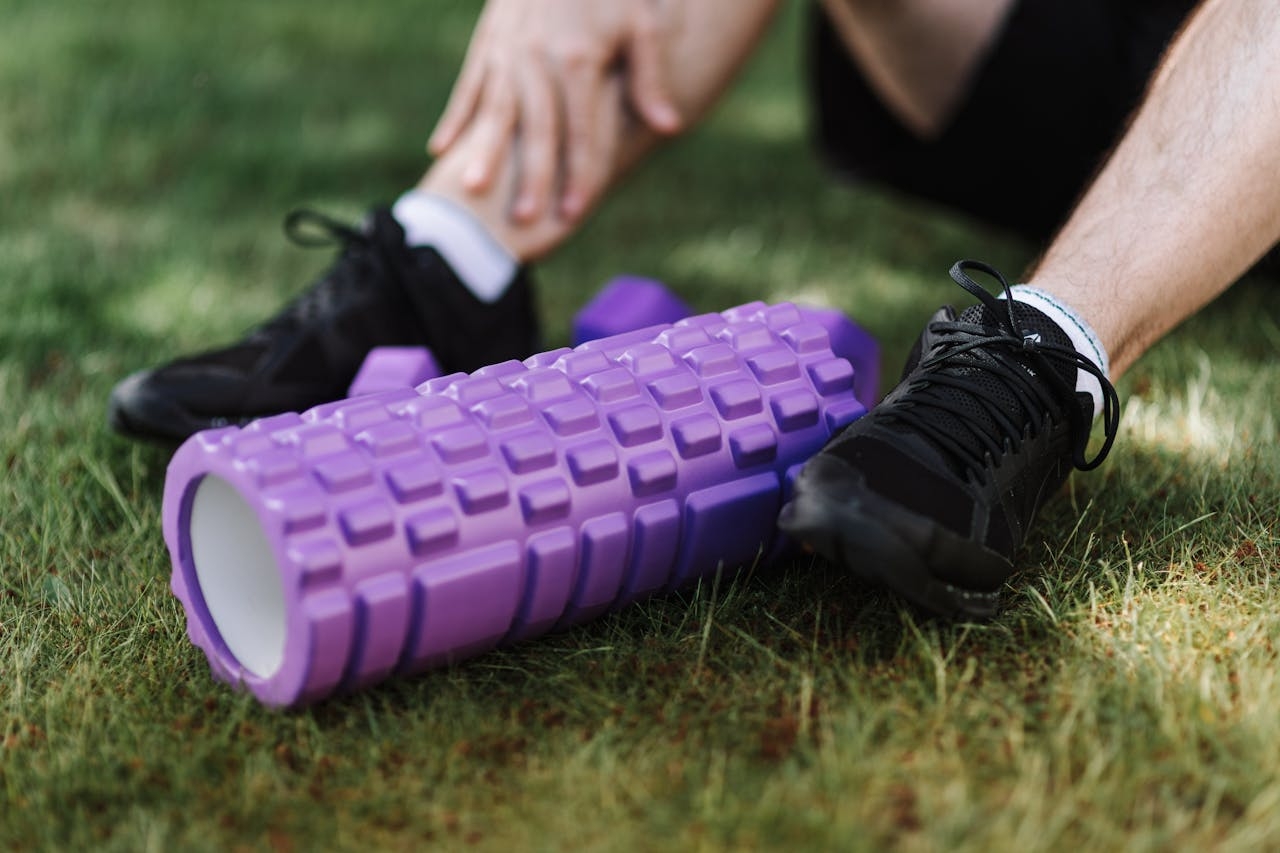
How does iron affect muscle recovery?
Iron is a key component of hemoglobin and myoglobin, which transport and store oxygen in muscles.
Adequate iron:
- improves oxygen delivery to muscles
- supports energy production
- promotes muscle repair processes
- speeds up recovery after exercise
When muscles receive enough oxygen, they can recover more efficiently and grow as a result of training.
What happens if there is too little iron?
Iron deficiency can slow down recovery and reduce training results.
Common effects include:
- prolonged muscle soreness
- slower recovery
- fatigue after exercise
- reduced performance
- increased risk of injury
Without sufficient iron, muscle energy production and repair processes do not function optimally.
Iron and athletic performance
Iron is especially critical in endurance sports. Running, cycling, and other aerobic activities require efficient oxygen transport.
Adequate iron helps to:
- maintain endurance
- reduce premature fatigue
- support muscle recovery between training sessions
Therefore, it is important for athletes to monitor their iron levels regularly.
How to support recovery with iron?
Muscle recovery can be supported by ensuring sufficient iron intake.
Effective methods include:
- eat iron-rich foods (meat, fish, beans, whole grains, green vegetables)
- combine iron with vitamin C to improve absorption
- avoid coffee and tea with meals
- maintain a varied diet
- use iron supplements if needed according to expert guidance
- use BlueIron iron supplement, as the Fe3+ iron in BlueIron is absorbed even when consuming coffee, tea, or dairy products
Measuring ferritin levels with a blood test helps assess the body’s iron stores.
Summary
Iron is a key factor in muscle recovery, performance, and energy levels. Adequate iron intake supports oxygen delivery to muscles and speeds up recovery after exercise. To improve performance and avoid overtraining, it is important to monitor iron levels.